

From 123 to 60,166: Gopalganj-3 Verdict and Questions Shaping Bangladesh’s Electoral Credibility
From 123 to 60,166: Gopalganj-3 Verdict and Questions Shaping Bangladesh’s Electoral Credibility
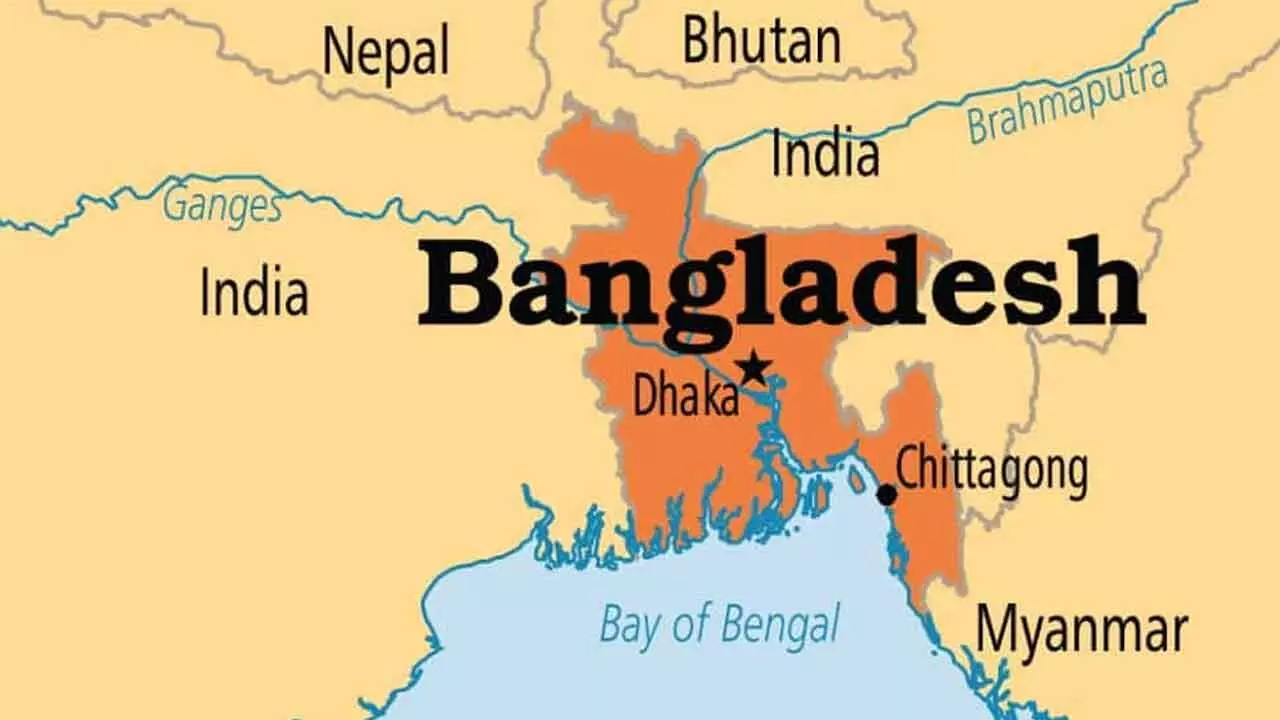
The 2026 parliamentary election in Gopalganj-3 in Bangladesh has raised serious political questions that extend beyond the final tally announced by election authorities. According to unofficial results, BNP candidate SM Jilani secured 60,166 votes, defeating independent candidate Advocate Gobinda Chandra Pramanik, who received 33,867 votes. The margin appears decisive. However, the political context surrounding this constituency demands closer scrutiny.
Gopalganj-3 is not an ordinary seat in Bangladesh’s electoral map. Historically associated with Sheikh Hasina and long considered a stronghold of the Awami League, it has carried symbolic and strategic weight for decades. Publicly available past election data shows that in the 2018 parliamentary election, BNP candidate SM Jilani had secured only 123 votes in this very constituency, while Sheikh Hasina won by a massive margin. Political observers note that BNP had minimal organizational presence or visible grassroots structure in the area at that time.
Against that backdrop, the sudden rise from 123 votes in 2018 to over 60,000 votes in 2026 has triggered debate among local political circles. While electoral dynamics can change significantly over time, critics argue that such a dramatic shift warrants institutional clarity to preserve public confidence.
Advocate Gobinda Chandra Pramanik has directly challenged the official narrative.
Talking to Bizz Buzz, he said,
“In reality, SM Jilani received around 17,000 votes. My principal contest was with the 11-party Jamaat alliance’s Khilafat Majlis candidate. By late afternoon, votes were allegedly shifted and the final figure was shown as 60,000. The people of Gopalganj-3 deserve a transparent investigation.”
His statement reflects a broader concern among sections of his supporters who allege that the electoral process did not unfold under fully neutral conditions. These allegations include claims of administrative pressure, case filings against activists, and irregularities during vote counting.
At this stage, these remain allegations and have not been formally adjudicated by the Election Commission or any judicial authority. BNP representatives have rejected all accusations, describing them as politically motivated.
The broader issue at stake is institutional credibility. Democracies are sustained not only by declared outcomes but by the legitimacy of the process that produces them. When a constituency with historically weak opposition presence witnesses an unprecedented swing, it becomes essential for electoral authorities to ensure maximum transparency in order to prevent long-term erosion of trust.
Civil society voices have also entered the conversation. Dr. Shubhro Chakrabartty, Founder of the Bongo Bhashi Mahasabha Foundation, commented:
“Electoral legitimacy depends on transparency. When statistical shifts are dramatic and allegations emerge, institutions must proactively clarify facts. Democracy is strengthened when doubts are addressed through evidence and procedure.”
For the BNP, the victory is being projected as a breakthrough and a reflection of changing public sentiment. Party leaders argue that political landscapes evolve and that voter behavior cannot be frozen in past patterns. They insist that the mandate in Gopalganj-3 reflects genuine public support.
Yet the historical comparison with 2018 remains central to the unfolding debate. Moving from 123 votes to 60,166 within one election cycle represents not merely political growth but a structural transformation of the constituency’s electoral behavior. Whether this transformation reflects genuine political realignment or whether it requires further institutional explanation is now the critical question
Ultimately, the responsibility lies with electoral institutions to ensure that the integrity of the process is beyond dispute. Gopalganj-3 is more than a seat; it is a symbolic barometer of democratic confidence. In moments of controversy, transparency is not optional, it is essential.





